Arthritis After ACL Injury
ACL injuries are so common that we think they are a natural part of sports. Yet they are devastating for many people. Here is why, and how we plan to change it.
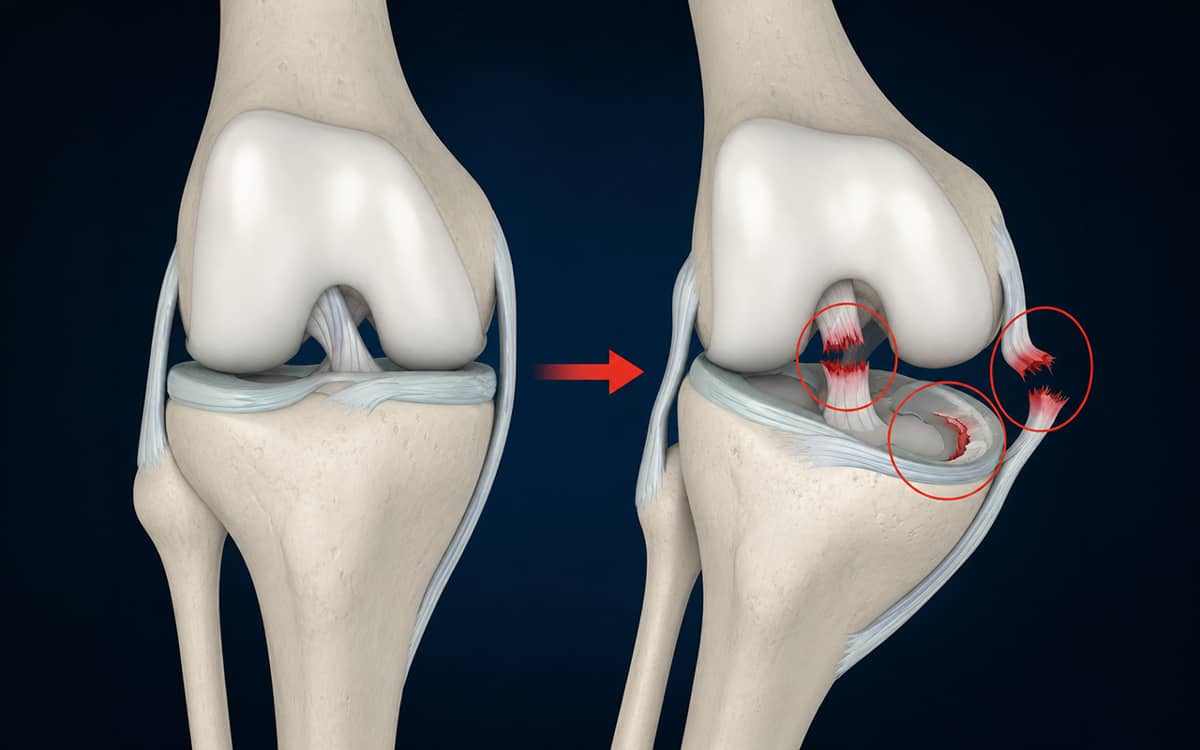
The anterior cruciate ligament is the key guide wire controlling the motion of the femur on the tibia at the knee joint. Once it is ruptured, many people develop instability of the knee and damage to the two types of cartilage in the knee: the meniscus and the articular cartilage.
Repairing the torn ACL either by direct suture repair or replacement (also called reconstruction), with the patient’s own tissues or donor tissues, leads to stable knees that return people to full sports. But it doesn’t reverse the damage done at the time of the injury. In fact, 50% of people who tear their ACL develop knee arthritis within 10 years, repaired or not.
Arthritis is devastating. We underestimate its effects because we have pretty good ways to cope with it. However, it costs billions of dollars per year in added medical costs. It limits people’s range of motion in their knee joint, impacts their participation in sports and activities with their kids, and requires progressive levels of medications, physical therapy, injections, and eventually surgery. Cancer may kill you, but arthritis ruins your life.
The fact that we have not stemmed the progression of arthritis is one of the major failures of orthopaedic science. Yes, we have developed possible therapies. The injections of lubrication (hyaluronic acid), PRP, exosomes, and a host of birth tissues, growth factors, peptides, and other leading-edge interventions may and hopefully will slow down, and possibly prevent, the development of arthritis. The immediate repair and replacement of the torn meniscus cartilages and the regrowth of the damaged articular cartilage are the most likely current therapies that may change the story.
Yet most of these newer techniques are not practiced by most orthopaedic surgeons. The level of skill required and the absence of insurance reimbursement are the most commonly cited reasons. Add to this the fact that arthritis takes years, sometimes decades, to develop. Surgeons and insurance companies have much shorter horizons.
Yet there is hope. The research on injections as accessible, cost-effective early interventions is expanding. In addition, our understanding of how and why an ACL injury progresses to cartilage death is evolving. Certain injections may change the pathway from cell injury to cell death, resulting in regrowth of damaged articular cartilage.
The data on meniscus allograft replacement demonstrates not only that patients with transplanted menisci can return to professional-level sports; it’s showing that, when combined with articular cartilage regeneration procedures such as paste grafting, some patients can delay or even avoid artificial joint replacement altogether.
So first, don’t injure your ACL. If you do, fix it accurately and early, repair and replace the meniscus, regrow the articular cartilage, and augment the process with injections, rehabilitation protocols that emphasize full range of motion, and a diet that optimizes the ideal weight range for your height and shape. Don’t let arthritis ruin your life—or your lifestyle.
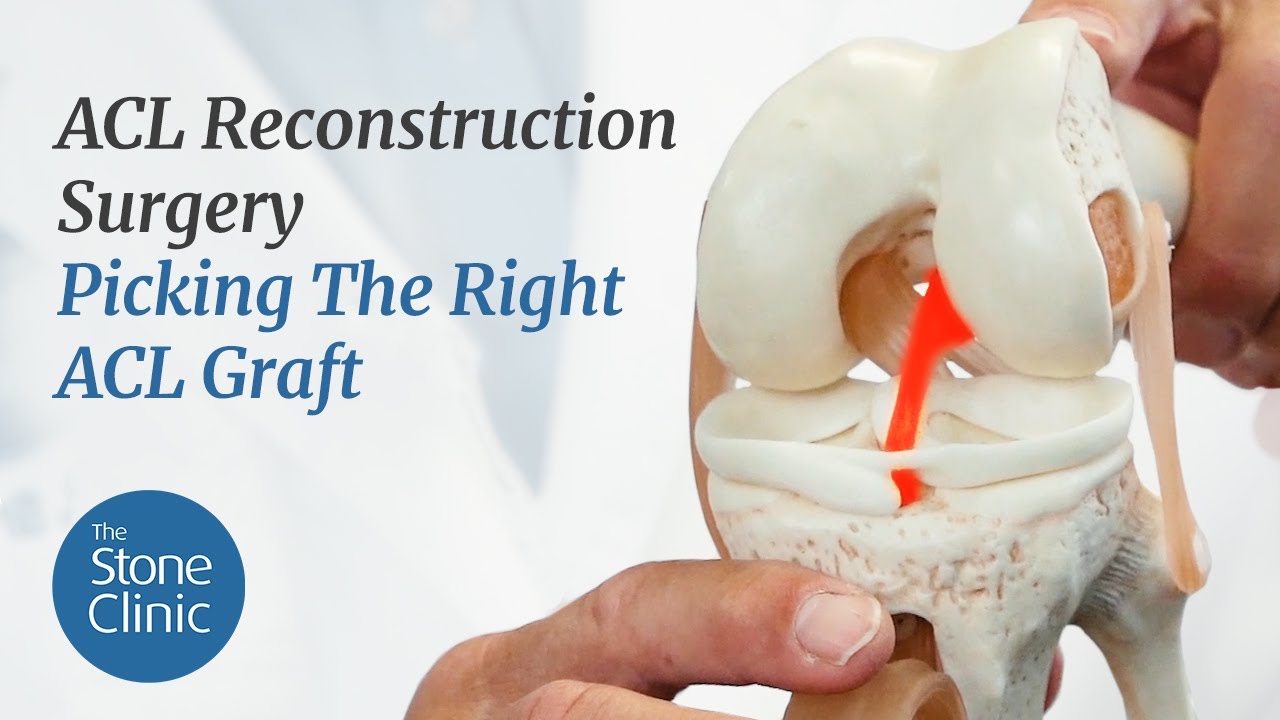
ACL Reconstruction Surgery Explained & Picking The Right ACL Graft
Dr. Stone shares innovations in ACL reconstruction that avoid the pitfalls of arthritis and return our patients to the activities they love fitter, faster, stronger than they were before their injury.