Shockwave Therapy in San Francisco
Non-Surgical Treatment for Chronic Tendon Injuries
At The Stone Clinic, our approach to orthopaedic care begins with the least invasive solutions that allow the body to heal and keep joints moving naturally. Shockwave therapy is one of the advanced non-surgical treatments we use to stimulate tissue healing, helping patients recover from persistent joint pain and return to full activity without surgery.
Shockwave therapy uses targeted acoustic energy to support tissue repair in a range of conditions, including plantar fasciitis, Achilles tendinopathy, tennis elbow, and other chronic tendon injuries. Treatment is delivered through our StoneFit physical therapy team, where experienced clinicians combine advanced treatment tools with tailored rehabilitation programs to guide recovery.
Working in partnership, we aim to return all our patients to sport fitter, faster, and stronger than they've been in years.
What Is Shockwave Therapy?
Shockwave therapy, also called extracorporeal shockwave therapy (ESWT), is a non-surgical treatment used to help promote healing in injured or irritated tissue.
When soft tissues such as tendons, ligaments, or fascia become chronically irritated, the body's normal healing process can slow or stall. This therapy uses acoustic energy to activate repair in the affected area without injections or surgery. Because it works through mechanical stimulation rather than medication, shockwave therapy can be used to address a variety of musculoskeletal conditions with minimal risk or downtime.
How Shockwave Therapy Works
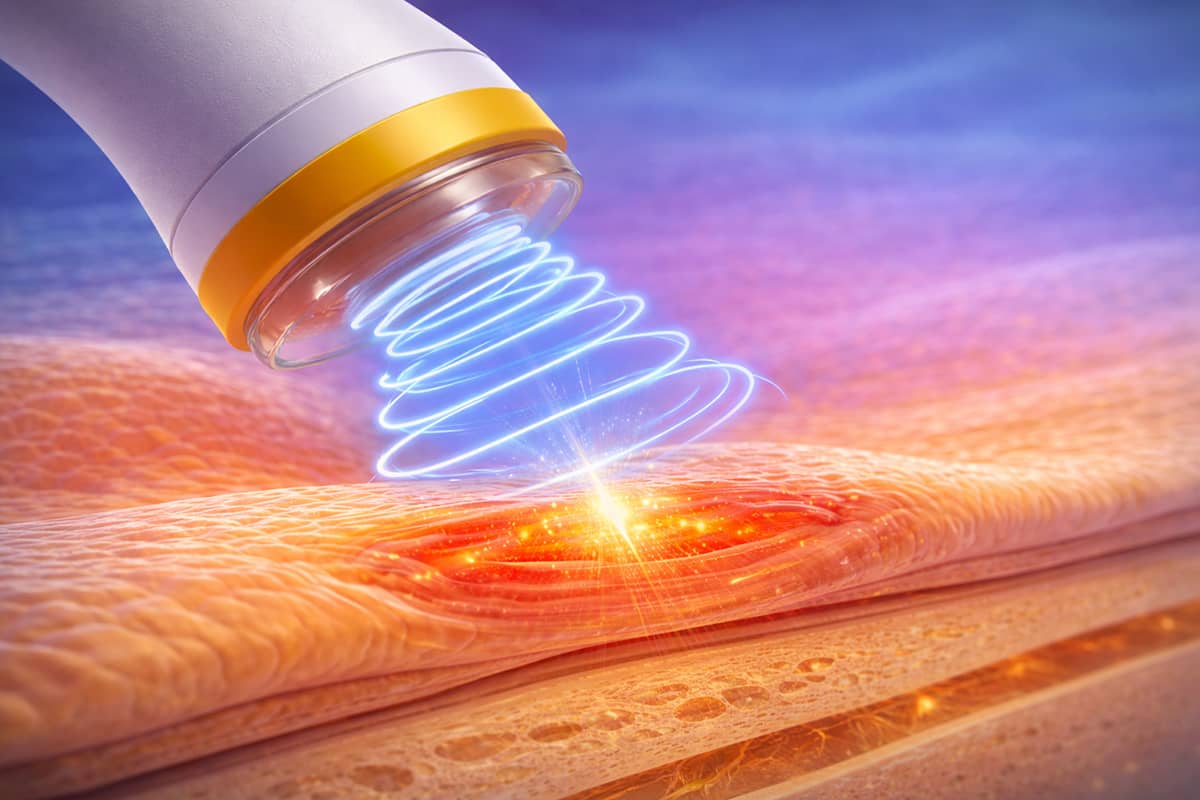
Shockwave therapy delivers targeted acoustic energy into injured tissue. These mechanical pulses pass through the skin to stimulate the body’s natural repair processes.
In many chronic soft-tissue injuries, healing slows because the affected area receives limited blood flow or the tissue has been repeatedly overloaded. The mechanical stimulation created by shockwave therapy can help initiate cellular activity in the injured area.
Research suggests shockwave therapy may help:
- increase blood flow to injured tissue
- reduce pain associated with chronic irritation
- stimulate biological processes involved in tissue repair
Shockwave Therapy at The Stone Clinic
The Stone Clinic, led by Dr. Kevin Stone, provides shockwave therapy in San Francisco as part of a comprehensive sports medicine program designed to help athletes avoid surgery and return to sport.
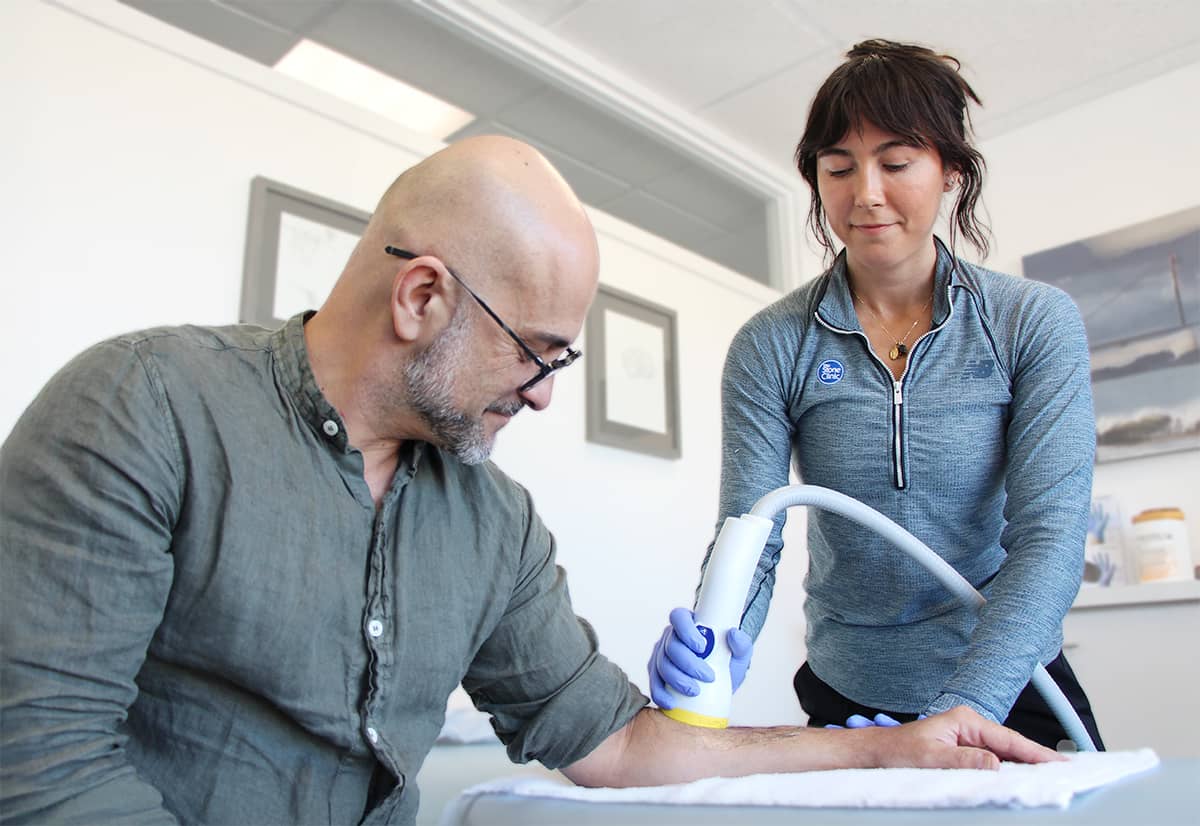
Care is provided through the StoneFit rehabilitation program, where physical therapists and sports medicine specialists collaborate to restore function and help patients return confidently to full activity and sport. Shockwave is combined with a personally customized rehabilitation program designed to address both the injured tissue and other contributing factors.
Patients treated at The Stone Clinic commonly include runners, cyclists, tennis and pickleball players, and other active individuals seeking non-surgical options to relieve their joint pain.
A typical session includes:
- targeted shockwave treatment
- rehabilitation exercises
- movement coaching and progression
- guidance on activity modification
When Is Shockwave Therapy Recommended?
Shockwave therapy is typically considered for soft tissue and joint-related conditions that have not improved with appropriate early treatment. This may include patients who have already tried rest, physical therapy, or activity modification but continue to experience symptoms.
Treatment decisions are based on a careful evaluation of the injury, its presentation, and each patient's goals. In some cases, other options such as injection-based treatments (PRP + HA) or surgical evaluation may be more appropriate depending on the condition.
Learn more about our innovative approach to care: Understanding the Stone Approach.
Conditions Treated With Shockwave Therapy
Shockwave therapy is commonly used for chronic tendon injuries and other musculoskeletal conditions that have not improved with initial conservative treatment.
While tendon injuries are among the most common reasons for treatment, shockwave therapy may also be used for other conditions involving irritated soft tissue, scar tissue, or other ongoing joint pain.
Shockwave therapy may be considered for conditions such as:
- Plantar fasciitis
- Tendon injuries (Achilles, patellar, rotator cuff)
- Scar tissue preventing flexion
- Osteoarthritis-related joint pain
- Muscle and ligament injuries
- Bursitis & inflammatory conditions
- Sports & overuse injuries
- Post-op healing support
Shockwave Therapy for Plantar Fasciitis
Plantar fasciitis affects the plantar fascia, a thick band of tissue that runs along the bottom of the foot and helps support the arch. Repetitive stress on this tissue can lead to irritation and small areas of degeneration, particularly near the heel. This condition is commonly seen in runners and individuals who spend long periods on their feet.
People with plantar fasciitis often experience sharp heel pain during the first steps in the morning or after long periods of sitting. Symptoms may improve slightly with activity but often return after running, long walks, or standing for extended periods.
Shockwave therapy promotes recovery in areas of plantar fascia degeneration and may help reduce heel pain as the tissue begins to recover.
Rehabilitation typically focuses on improving foot and ankle mechanics, strengthening the calf and foot muscles, and gradually restoring the tissue s tolerance to load during walking, running, and sport.
Shockwave Therapy for Achilles Tendinopathy
The Achilles tendon connects the calf muscles to the heel bone and absorbs significant force during running, jumping, and sudden changes in direction. Repetitive loading can lead to Achilles tendinopathy, a condition where the tendon becomes irritated, and its normal structure begins to break down. This is commonly seen in runners and court-sport athletes who place repeated stress on the tendon.
Athletes with Achilles tendinopathy often experience stiffness in the tendon, especially in the morning or at the start of activity. Pain may improve as they warm up, but typically returns during or after running, tennis, pickleball, or other sports that involve repeated push-off from the foot.
Shockwave therapy helps activate repair in this overburdened tendon tissue. Rehabilitation focuses on gradually rebuilding calf strength and restoring the tendon's ability to tolerate load, while addressing underlying issues that may have contributed to the injury.
Discover more treatment options here for Achilles tendon injuries.
Shockwave Therapy for Tennis Elbow
Tennis elbow (lateral epicondylitis) is a common overuse injury affecting the tendons that attach to the outside of the elbow. It frequently occurs in tennis and pickleball players, racquet-sports athletes, and individuals who perform repetitive gripping or lifting.
Athletes with tennis elbow often notice pain on the outside of the elbow during gripping, lifting, or twisting movements. Simple tasks such as opening jars, shaking hands, or swinging a racquet may become uncomfortable.
Shockwave therapy helps relieve strained tendon tissues and is often used when symptoms persist despite rest or early treatment.
Rehabilitation typically focuses on strengthening the forearm muscles, improving grip mechanics, and gradually restoring the tendon s ability to tolerate load during sport and daily activities.
Learn more about elbow injuries treated at The Stone Clinic, or Dr. Stone's blog, with guidance on tennis elbow treatment options.
Shockwave Therapy for Patellar Tendinopathy
Patellar tendinopathy affects the tendon connecting the kneecap (patella) to the shinbone and is often referred to as jumper's knee. The condition commonly develops in athletes who perform frequent jumping, sprinting, or explosive movements, such as basketball, volleyball, and soccer.
Athletes with patellar tendinopathy typically experience pain at the front of the knee just below the kneecap. Symptoms are often most noticeable during jumping, squatting, running, or climbing stairs, and may gradually worsen as the tendon becomes more irritated.
Shockwave therapy helps promote repair in areas of the tendon that have not responded to early treatment. By encouraging biological activity within the tendon, the therapy can help support recovery in chronically inflamed tissue.
Rehabilitation focuses on gradually helping the knee handle jumping, running, and other athletic demands, while also addressing movement patterns that place excessive stress on the joint.
What to Expect During Your Treatment
Length of Treatment
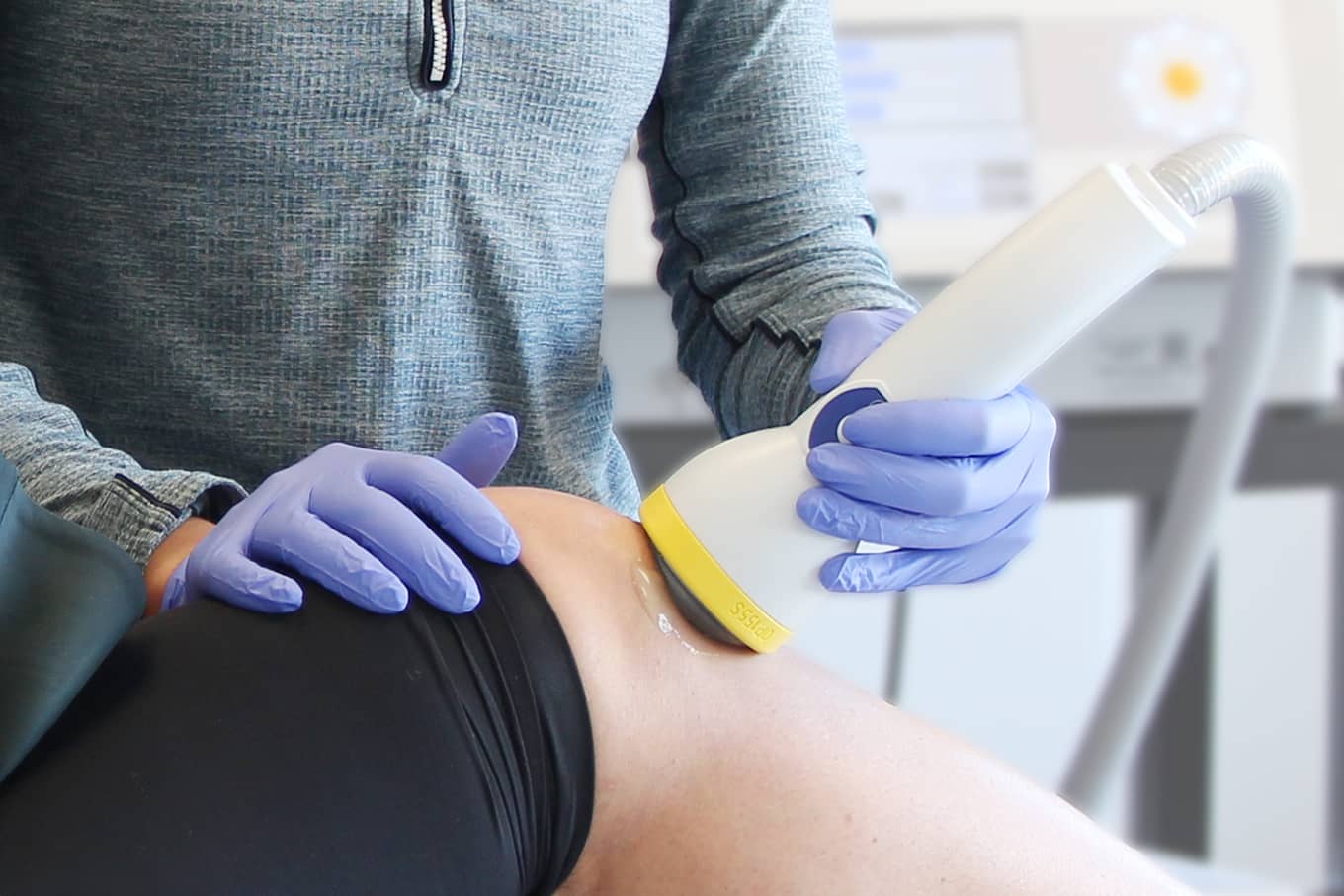
The shockwave portion of the session typically lasts about 10 minutes. It is delivered as part of a longer, comprehensive rehabilitation appointment with the StoneFit team.
Number of Sessions
Many patients receive one to five treatments, depending on their condition and response to therapy. Sessions are scheduled 5-10 days apart for maximum therapeutic effect.
One-on-One Guidance & Personalized Rehabilitation
All StoneFit physical therapy treatments are one-on-one. As part of treatment, our team will help create a personally tailored recovery plan to meet your specific physical needs and individual activity goals.
Recovery and Activity
Most patients can return to normal daily activities shortly after treatment. Some temporary soreness may occur for 24-48 hours as the tissue responds to the stimulation.
Frequently Asked Questions About Shockwave Therapy
Patients may experience mild discomfort during treatment. The intensity is fully adjustable and can be customized to each patient. Patients may experience temporary soreness for 24-48 hours.
Shockwave therapy is generally well tolerated. Some patients experience mild discomfort during treatment and temporary soreness or sensitivity afterward, which typically resolves within a few days. Significant complications are uncommon.
Shockwave therapy is often considered for patients with chronic tendon or soft tissue injuries who want to explore non-surgical treatment options. It may be recommended for conditions such as plantar fasciitis, Achilles tendinopathy, tennis elbow, and other persistent musculoskeletal problems.
Yes. A sports medicine evaluation helps determine whether shockwave therapy is appropriate for your specific injury.
During this visit, the clinical team evaluates the affected area, reviews your treatment goals, and confirms the underlying cause of pain. This helps ensure that treatment is both safe and targeted to the correct tissue.
Many patients receive a series of one to five treatments, depending on the condition being treated and how the tissue responds to therapy.
Some patients begin to notice improvement during the course of treatment, while for others progress occurs more gradually over time.
Shockwave therapy works by stimulating the body’s natural healing response, and the recovery timeline can vary based on the specific condition being treated, how the tissue responds to therapy, and how treatment is combined with other approaches such as rehabilitation or injection-based therapies.
Based on how each patient responds, treatment is guided and adjusted over time to support steady progress and a safe return to activity.
Yes. Returning you to sport, exercise, and the activities is our primary goal for care at The Stone Clinic.
Return to activity is guided by our StoneFit rehab team, with progression based on how your body responds to treatment. We assess strength, movement, and tolerance to load, and adjust your program accordingly to support a safe return to sport.
Together, we work to help you become fitter, faster, and stronger than you've been in years.
Shockwave therapy is commonly used for persistent plantar fasciitis and has been studied as a non-surgical treatment for chronic heel pain. It works by delivering acoustic energy to the plantar fascia to stimulate tissue repair and improve function.
Shockwave therapy and joint injections are both used to treat musculoskeletal conditions, but they work in different ways.
Shockwave therapy uses mechanical stimulation to activate the body’s natural healing processes, while injections deliver medication or biologic therapies directly to the affected area to help reduce pain or support tissue repair. At The Stone Clinic, this may include treatments such as PRP and HA, depending on the condition.
In some cases, shockwave therapy may be used on its own, while in others it can be combined with injection-based treatments as part of a broader care plan. The right approach depends on the specific condition, severity of symptoms, and individual recovery goals.
Shockwave therapy is a non-surgical treatment option that may help stimulate healing in certain chronic conditions. For some patients, it can help reduce symptoms and improve function without surgery.
While effective in treating certain conditions, sometimes surgery is required to restore and repair tissues.