Exosomes: The Hot Spot in Biologic Injections
Exosomes are packets filled with growth factors and signaling molecules that migrate from within a cell into the bloodstream to deliver their healing payloads. Here is why they are so important.
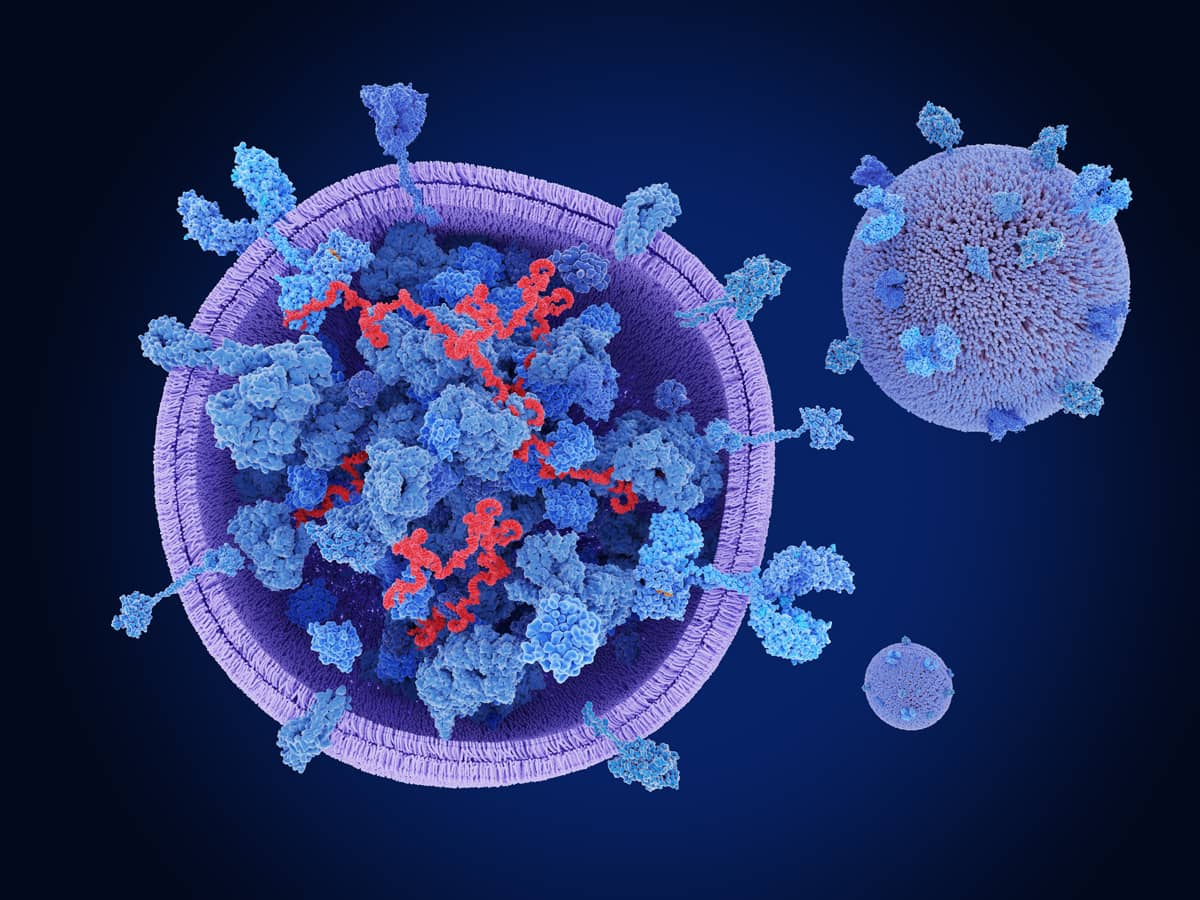
When an injury occurs, tissues made up of cells, collagen fibers, and blood vessels are broken. Irritation, known as acute inflammation, occurs. Recruitment factors called chemokines and cytokines, made up of amino acids combined in short strings (peptides), as well as larger combinations (proteins), recruit cells from around the body and together initiate the healing response. Within that response are cells called neutrophils (the white cells also known as inflammatory cells) and various types of macrophage cells, which act as the “garbage collectors” that clean up and remove the torn tissues. This cascade of factors and cells is the initial inflammatory stage initiated by an injury. Exosomes carrying pro-coagulant factors help stop the initial bleeding as well as induce the next phase of healing.
After this inflammatory stage, the body starts a proliferative phase where other types of cells—macrophages and fibroblasts—create the repair tissues. The blood vessels are stimulated to grow into the damaged tissues, restoring the nutrient supply. The fibroblasts morph into myofibroblasts, which build muscle and specialized tissues.
Exosomes are believed to play critical roles in each of these steps. The factors within them induce one type of inflammatory macrophage to convert into a proliferative macrophage. And when combined with the forces applied during the physical therapy stage, the exosomes help regulate the ingrowth of new vessels and then guide the remodeling of the collagen fibers to restore normal tissues.
Exosomes can be produced by cell incubation in the lab and tested for purity, potency, and identity using specific bioactive markers. The dosage can be controlled, and various studies are now evaluating their role in enhancing tendon repairs—specifically at the rotator cuff. Alongside PRP, bone marrow and fat aspirates, mesenchymal stem cell preparations, peptides, and birth tissues, these biologic therapies are invigorating the science and practice of tissue repair and regeneration.
We are now in what I call the Anabolic Era of sports medicine and arthritis care, where we stimulate tissues to regrow rather than remove them or replace them with artificial materials. Our mission, as always, is to keep you playing forever. Exosomes may be a major contributor to that aspect of active longevity.
