Peptides: All the Rage and Not Much Human Science
Peptides are short-chain amino acids that control various biologic activities in living organisms. For athletes, they are the new testosterone. For overweight people, they are the new diet. For injured people, they are a black box. Here are a few observations.
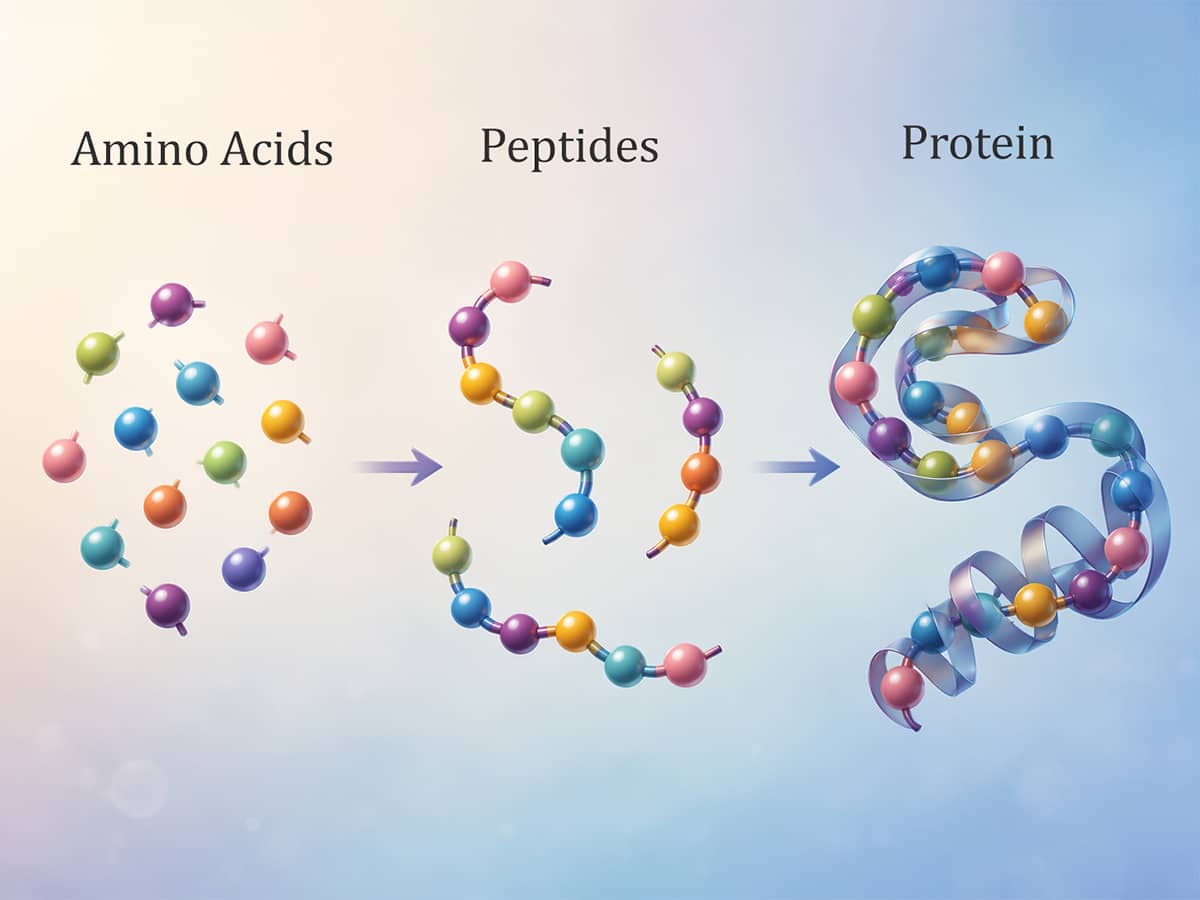
The most popular peptides are the GLP-1 versions initially used for weight loss, and the BPC-157 (body protection compound) and TB (thymosin beta) groups used for tissue repair.
The GLP peptides are approved by the FDA as drugs and have gone through extensive testing to get that approval and the specific indication. They have been a godsend for many, though, given their widespread use, a number of side effects and complications have arisen.
GLP peptides work by mimicking a natural peptide hormone that our bodies release after meals. They also help regulate blood sugar and stimulate insulin release. The result is a sense of satiety, diminishing the desire to ingest more food, tobacco, alcohol, or maybe even recreational drugs. What we see in the orthopaedics world is a disproportionate loss of muscle while the fat is shed. Because of this, patients are experimenting with lowered doses—and even microdoses—or body sculpting and sports performance.
Insulin, vasopressin, and oxytocin are all examples of synthetic peptides designed to treat and cure diseases. They took years to isolate and produce safely. In this new era of AI protein formulation prediction, however, hundreds, if not thousands, of new peptides will be virtually and actually created to bind to various receptors and induce a wide range of effects.
For now, the market is flooded with AI-designed peptides tested in rats and produced mostly in China, as well as in custom compounding pharmacies in the US. And herein lies part of the problem.
The newer peptide BPC and TB groups are selective signaling molecules that bind to surface receptors of cells and trigger intracellular activities. These peptides are smaller than the blood product PRP, stable, and have high bioavailability. However, the BPC and TB peptides were classified by the FDA as “ Drug Substances that raise Significant Safety Concerns,” and are banned by the World Anti-Doping Agency (WADA).
As there are no human comparative or controlled studies of the newer peptides, nor any manufacturing controls, it is impossible for me as a physician to prescribe these peptides for my patients. I don’t know the doses, have no data on the effects, complications, drug interactions, or sterility of the peptides my athletes are taking.
For background, the BPC-157 peptides were isolated from human gastric juice in 1991 by Dr. Predrag Satiric of Croatia. Multiple animal trials were conducted evaluating bowel healing, wound and burn treatments, and improved angiogenesis (blood vessel formation).
BPC assists in production of endothelial cells and upregulation of regenerative growth factors. Since the peptide is stable in the gut, it can be delivered without special carriers or currently known toxicity. Orthopaedic studies are investigating the stimulation of collagen repair and the reduction of inflammation, healing of muscle, and the acceleration of tendon repair. Tendon-to-bone health in Achilles injuries, as well as muscle healing, has, in fact, been improved.1, 2
Pain relief has also been studied with reported relief.3
Thymosin is a growth factor isolated from the calf thymus in the 1970s. TB-4 is a thymosin found in multiple tissues that promotes the growth of blood vessels and has been used to treat infarcted heart tissue. Thymosin also slows the death of cells, reduces inflammation, increases cell proliferation, and stimulates hair growth, amongst a host of other effects. Unfortunately, it is also noted in highly metastatic tumors, where it is unclear if it is playing a suppressive or stimulatory role.4
In February 2026, the Department of Health and Human Services (HHS) announced a plan to reclassify approximately 14 of the 19 peptides previously restricted by the FDA in late 2023. These peptides are being moved from Category 2 (substances with significant safety concerns that cannot be compounded) back to Category 1 (substances eligible for compounding while under review). The following 12 to 14 peptides will be reviewed by the Pharmacy Compounding Advisory Committee (PCAC) starting in July 2026:
- BPC-157: Used for gut health and tissue/ligament repair.
- Thymosin Beta-4 (TB-500): Utilized for muscle recovery and flexibility.
- Thymosin Alpha-1 (Ta1): Known for immune system modulation.
- AOD-9604: A growth hormone fragment used for fat metabolism.
- GHK-Cu: A copper peptide popular for wound healing and anti-aging.
- Semax & Selank: Neuropeptides used for cognitive function and anxiety management.
- MOTS-c: A mitochondrial peptide studied for metabolic regulation.
- Epitalon: Linked to longevity and telomere support.
- KPV: An anti-inflammatory peptide used for gut health.
- Emideltide (DSIP): Used for sleep regulation.
- Kisspeptin-10: Studied for hormone regulation.
- CJC-1295 & Ipamorelin: Growth hormone secretagogues
This reclassification allows licensed compounding pharmacies to legally prepare these substances again when prescribed by a physician.
Moving to Category 1 does not mean these peptides have full FDA drug approval; they remain unapproved substances that are legally permissible for compounding.
The reclassification of these peptides into Category 1 allows doctors to prescribe them for a wide range of regenerative, metabolic, and cognitive conditions. While many uses remain "off-label," clinical interest focuses on their ability to act as targeted biological messengers for specific systems.
Since life is too short and 100% fatal, what we are left with is a popular rush to use any supplement that may accelerate healing or health lifespan. As scientists and physicians, we love to push the limits of what is known—yet we must guide our patients in the safe and logical application of biologic therapies. This balance goes on every day in our clinic and in the lives of the patients we are fortunate to guide. For now, the single most effective and proven therapy for tissue healing and extending health span is daily exercise. Want to live long and prosper? Go out and play.
References
- Krivic A et al. Achilles detachment in rat and stable gastric pentadecapeptide BPC 157: promoted tendon-to-bone healing and opposed corticosteroid aggravation. J Orthop Res. 2006;24(5):982–989. doi:10.1002/jor.20096
- Cerovecki T et al. Pentadecapeptide BPC 157 improves ligament healing in the rat. J Orthop Res. 2010;28(9):1155–1161. doi:10.1002/jor.21107
- Lee J & Padgett D. Intra-articular injection of BPC 157 for multiple types of knee pain. Altern Ther Health Med. 2021;27(4):8–13. PMID:34324435
- Caers J et al. Thymosin β4 has tumor suppressive effects and its decreased expression results in poor prognosis and decreased survival in multiple myeloma. Haematologica. 2010;95(1):163–167. doi:10.3324/haematol.2009.006411
