Why Do Biologic Injections Work?
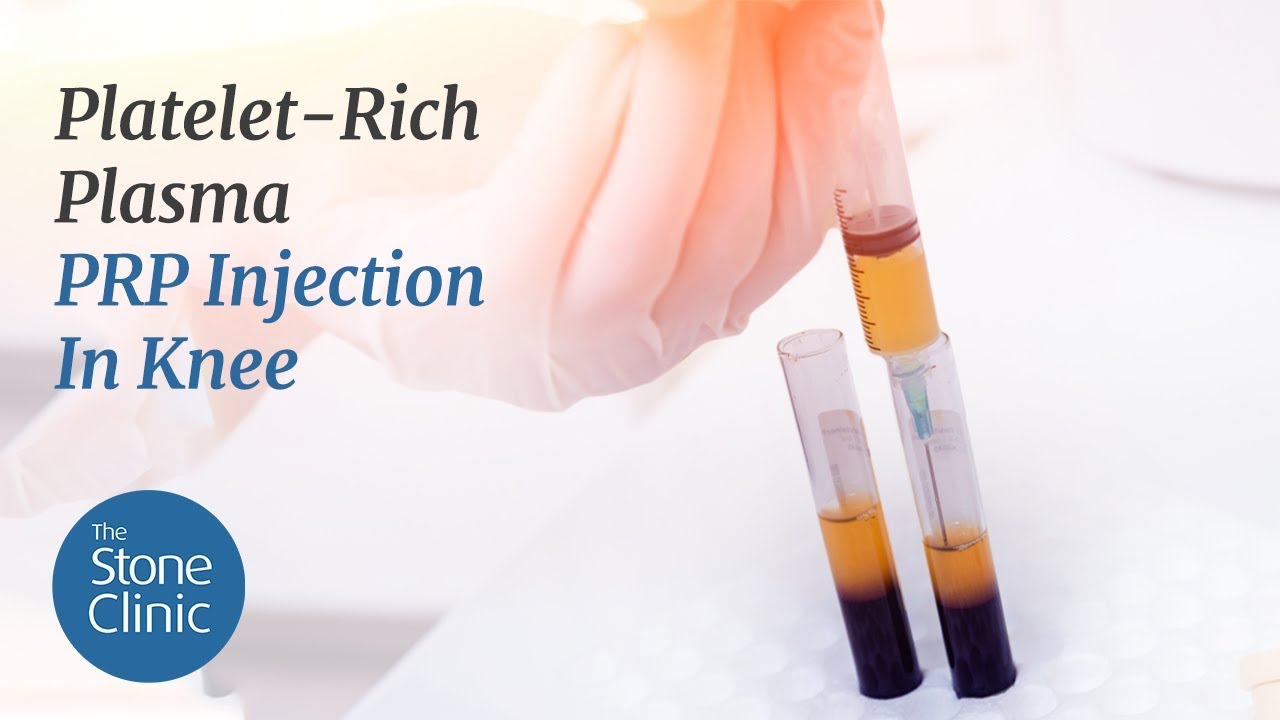
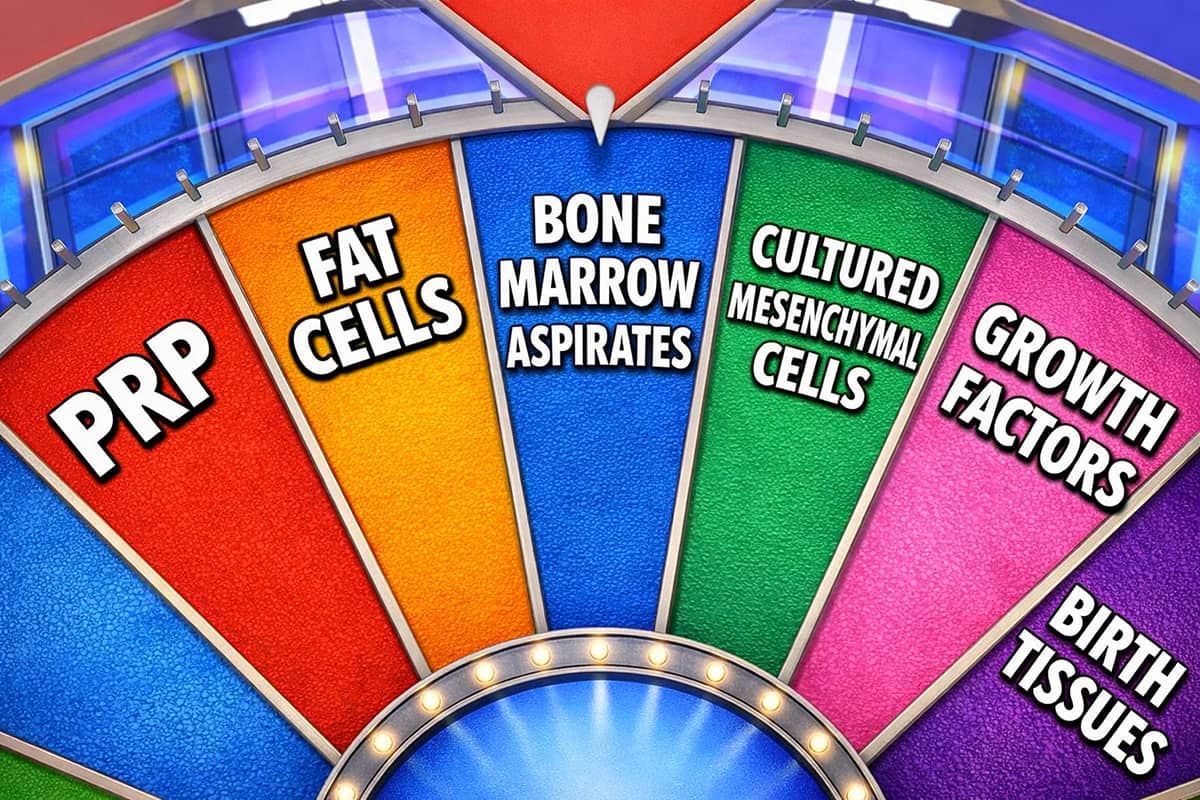
PRP, fat cells, bone marrow aspirates, cultured mesenchymal cells, growth factors, and birth tissues are all being injected into injured and arthritic tissues with widespread success and very rare complications. Why do they all seem to work?
In the past, injured and arthritic tissues were injected with cortisone. That reduced inflammation by shutting down tissue metabolism; it also, however, weakened the tissues. Torn meniscus cartilages were removed, arthritic joints were debrided, damaged biceps tendons were cut away, and people with arthritis pain were told to live with it until they were older and wait for an artificial joint replacement.
Today, we are in what I call the “anabolic era” of sports medicine and orthopaedics. Almost any doctor can inject one of the biologic offerings mentioned above and start a rehab program. Only tissues that are at risk of further damage or will benefit from immediate repair require surgery as their first option. The anabolic era strategy stimulates tissues to heal as a first-line therapy and, if surgery is called for, may be used to accelerate the healing response. The old “RICE” therapy is now active rest (immediate exercise of the rest of the body), injection, compression-ice, and elevation.
It is rare that a new paradigm of treatment has such widespread success with varied types of injections. Here is my assessment of why they all seem to work.
Platelet-rich plasma, bone marrow, fat, and birth tissues all have the common denominators of cells, growth factors, and chemotactic factors with local and dispersed effects. These components are locally anti-inflammatory, immunomodulatory (they affect how the immune system responds to the damaged tissue), antibiotic (which is why infections are so rare), anabolic (they stimulate the lining cells of the joint to produce more hyaluronic acid, the natural lubricant of the joint) and—most importantly—chemotactic (they recruit the body’s own mesenchymal stem cells to the site of injury). This final effect is the consistent factor that makes all of these injections work so well.
While there are many claims that more injected cells are better than fewer cells, or that more concentrated PRP is better than less concentrated, the reality is that everyone, young and old, has billions of stem cells in their bodies (they are predominantly perivascular cells that live on the walls of vessels). When you are young, you do have more, but you still have billions when you are very old. When you have an injury—even a minor bruise—the bleeding that occurs releases these chemotactic factors, which then send a siren call out to your own reservoir of stem cells to rush to the site of injury and direct the healing response. These cells have multiple roles. For one, they shift the concentration of specialized macrophage cells to initially clear away the damage.
They then institute new collagen formation and perform a multitude of other steps in the regeneration processes. It takes only a small signal to get the body’s response going, and these same signaling factors are present in all of our various biologic concoctions.
The potency of the signal and the age of the patient both affect the rate of healing. As every older patient will tell you, it seems to take longer to heal even minor injuries. One goal of our research is to identify the key chemotactic signaling factors and optimize them. For now, we use each of the biologic tools available to help our patients stay out of the operating room, heal faster from injuries, and recover more quickly from surgery. The hope is that growing older may not be permanently associated with slow healing, just careful living.