Roger Federer and the End of an Athlete’s Knee
Roger Federer played a beautiful exhibition match at the U.S. Open, then was honored by induction into the Tennis Hall of Fame. Unfortunately, he had been forced to retire, mostly due to his knees. This fate is tragic, but extremely common—and often avoidable. Here is how.
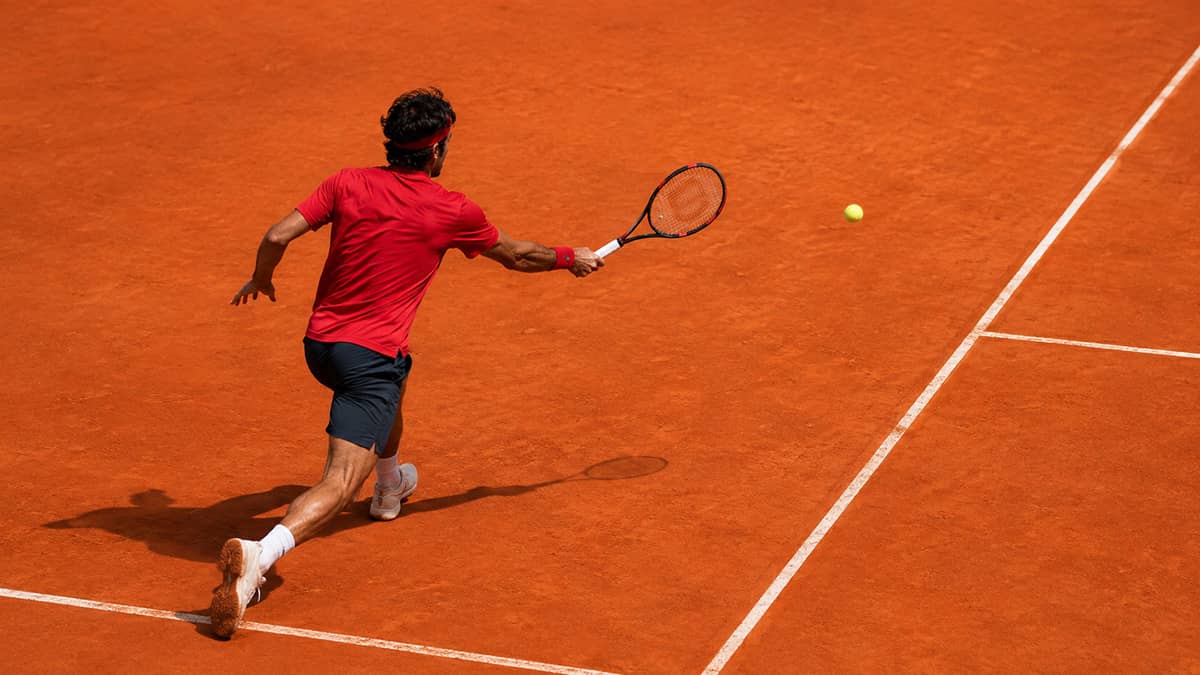
Federer injured his knee in 2016, then underwent knee surgery during which the meniscus was “trimmed”— i.e., a key portion of tissue was removed. He was able to return to top-level play for years.
We know, however, that almost all of the meniscus is critical. Removing even a small part changes the loading on the tibia, often leading to a predictable outcome: eventual pain, more surgery, more pain, and ultimately retirement. Though it often takes a few years to manifest fully, the surfaces may eventually erode, and arthritis sets in. In Federer’s case, a series of small injuries over his career may also have contributed to that outcome.
The solution is to save the meniscus on Day One. The sooner a meniscus is repaired, the better. If it is not repairable, or if the repair doesn’t work, a meniscus transplant is the solution. Meniscus transplants have permitted athletes to get back to full sports and have delayed the time until knee replacement is needed—even in severely arthritic knees—by years.
So why are so many meniscus tears being treated with tissue removal?
The reasons are many, but they begin with how surgeons are trained and the biases instilled in them. Resection of the meniscus “solves” the knee problem for the short term, and is cheap and fast. Traditionally, surgeons repaired very few meniscus tears, as this required specialized training and assistance. Today, repair techniques have improved so much that many menisci can be saved by surgical suture repair, augmented with the release of marrow stem/progenitor cells. Such techniques eliminate the need for large posterior and side incisions. Tears of the roots of the meniscus (where the meniscus is anchored to the tibia) are now recognized to be primary causes of early arthritis, and root repair techniques have been optimized with custom guides specifically designed for the medial and lateral roots.
The regeneration techniques for actually regrowing the meniscus tissue initially took off in 1986, with our introduction of the collagen meniscus implant device. While the clinical studies and direct experience of the procedure were encouraging, the response was not high enough to justify keeping the device on the market. This was attributed partially to the soft, flimsy nature of the device, which often broke in the surgeons’ hands. We are currently reinventing this device with a stronger collagen construct, and believe that meniscus regeneration will return in the near future.
For now, surgeons rely on meniscus allografts: donor tissues we use to replace the missing meniscus. In arthritic knees, this replacement acts as a shock absorber to decrease the pain of the arthritic joint. Fortunately, this often (but not always) works well enough to return people to full sports. But young, healthy donors are in short supply, and the procedure remains difficult for many surgeons to accomplish.
Still: If it is your knee, and you lose a significant portion of your meniscus, get to a surgeon who can replace it early. Avoiding the otherwise inevitable arthritis is the goal.
The rehabilitation of meniscus repairs and replacements has also accelerated. No longer do many patients have to be on crutches for months at a time. Now the crutches can be discarded in a few days, depending on the stability of the repair. The key—especially in top-level athletes—is to minimize leg atrophy so that a full-body training program can be initiated as soon as possible.
Artificial replacement of the meniscus has failed in almost every attempt, especially for athletes. This is because normal human articular cartilage tissue is five times as slick as ice on ice, and can remodel itself while absorbing and releasing water and lubricants during the compression and unloading caused by walking and running. A meniscus must also be soft enough yet durable enough to rub against this remarkable tissue without damaging it, and without failing over a lifetime. No artificial material is strong enough yet soft enough, much less slick enough, to reproduce the contradictory set of requirements necessary to preserve the joint.
The loss of Roger Federer to tennis is a loss for all of us. Hopefully his story will serve as an inspiration for surgeons and scientists to continue to evolve the science of tissue repair, regeneration, and replacement.
Article originally published September 25, 2022. Updated & republished September 6, 2026 by Kevin R. Stone, MD with scientific and content updates.
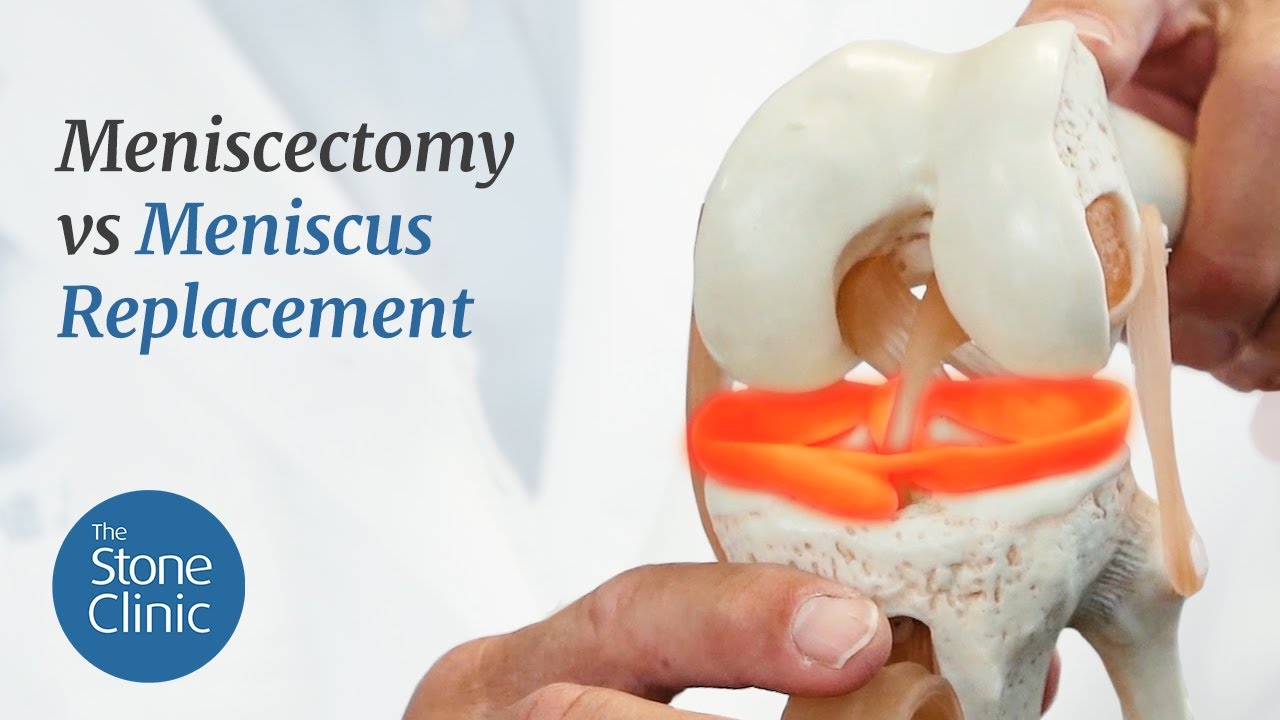
Meniscectomy vs Meniscus Replacement
When the meniscus tears, the treatment choice matters. A meniscectomy removes the torn portion of the meniscus. A meniscus repair uses sutures to preserve and heal the tissue. A meniscus transplant replaces missing meniscus tissue with donor cartilage.
At The Stone Clinic, our bias is clear: repair the meniscus whenever possible and replace it when it is irreparably damaged or missing. The earlier the knee's shock absorber is restored, the better the chance of protecting your joints for a lifetime.