Know the Bias of Your Surgeon - Rotator Cuff
The shoulder’s rotator cuff consists of four muscles that converge into tendons which insert on the upper arm. Living just beneath the portion of the scapula called the acromion, the cuff is often injured when someone falls forward, landing on their outstretched hands. The treatment of the cuff depends on your activities—and on the bias of your surgeon.
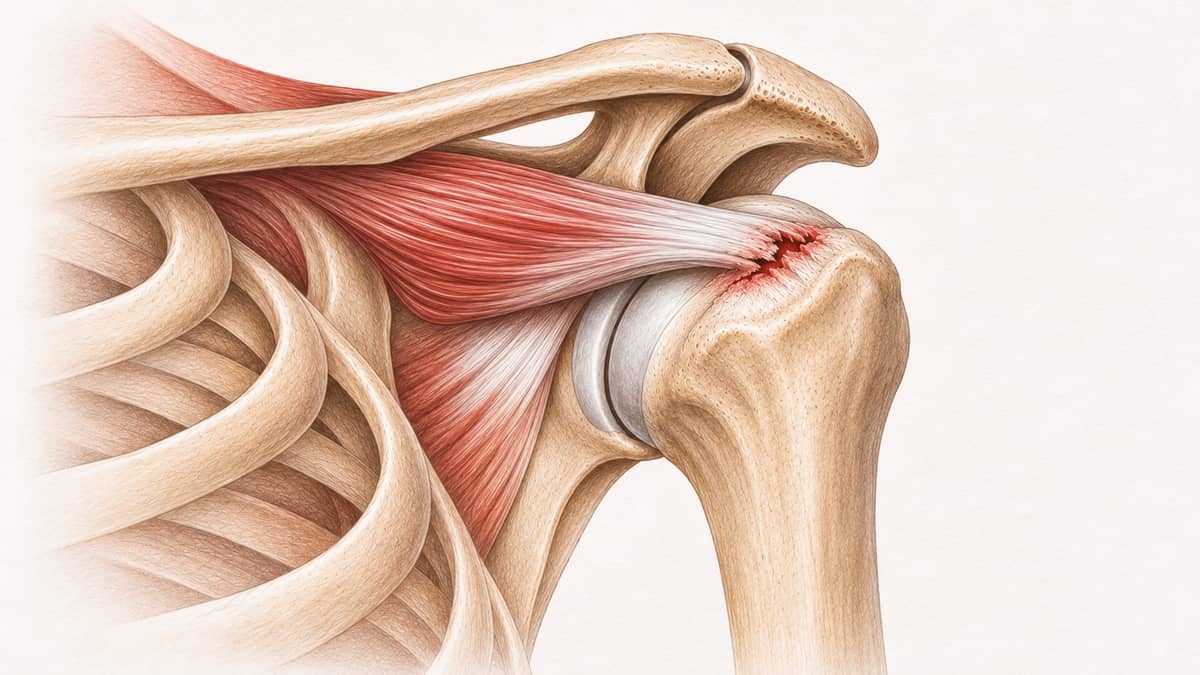
Often the patient comes to the doctor after experiencing shoulder pain with certain activities, and/or the complaint that shoulder pain wakes them up from sleep. The range of motion of the shoulder is often limited, and the muscles noted to be weak on strength testing. For many years, the most common first response from surgeons was to surgically repair the torn tendons. In the US alone, this repair was done 400,000 to over 500,000 times per year1. Unfortunately, the re-rupture rate was not low, rated at 5% for very small tears and up to 60% for massive tears.
Given that uncertainty, my bias has been to inject PRP, lubrication, and growth factors—combined with a careful physical therapy-directed exercise program—as a first-line therapy in most of the torn rotator cuffs that I see. Remarkably, a significant percentage do so well that they avoid surgery, often forever. Why? The answer is not clear, but the painful symptoms of a rotator cuff tear are most likely due to inflammation. The cocktail of our injection shuts down that inflammation, recruiting the body’s own stem cell-derived cells to the cuff to organize a healing process. We have no data to say that the cuff tears actually heal; but they clearly become asymptomatic, regain strength, and permit sleep.
When the rotator cuff requires surgery, my bias is to augment the repair with a collagen patch and injections of growth factors to accelerate the healing. Many techniques of strengthening the suture construct for the repaired tendons have been promoted, but most increase the pressure on the tendon, reduce the blood flow, and probably contribute to the failure rate rather than help the healing. I perform these procedures under a regional block only, avoiding general anesthesia. Physical therapy is initiated immediately, on day one, and focuses on a total body fitness program while protecting the cuff repair.
There has been considerable debate in the shoulder world about early versus late physical therapy and range of motion exercises. Since the repair failure rate was so high, surgeons blamed the therapists and, as a result, often delayed rehabilitation. My bias is that carefully directed therapy induces the best healing, reduces pain, and makes the entire process more enjoyable.
Professional athletes may need early surgery during their active careers, but most cuff tears occur in older patients. In summary: Inject many torn rotator cuffs, rehabilitate them, and operate only on the ones that still need it. That’s my bias.
References
- Marshall BP, Ashinsky BG, Ferrer XE, et al. The subacromial bursa modulates tendon healing after rotator cuff injury in rats. Science Translational Medicine. 2024;16(744):add8273. doi:10.1126/scitranslmed.add8273
How to Repair Your Shoulder Without Surgery
Treatment and rehabilitation of rotator cuff injuries have come a long way and many people are now able to experience impressive results without surgery. Injections of Platelet-Rich Plasma (PRP) and Hyaluronic Acid (HA) are now recognized to be such potent anti-inflammatories and pain relievers that they have become our first-line therapy for many orthopaedic shoulder injuries.