How Long Does a Knee Replacement Last?
Simple question. Complicated answer. Here is why.
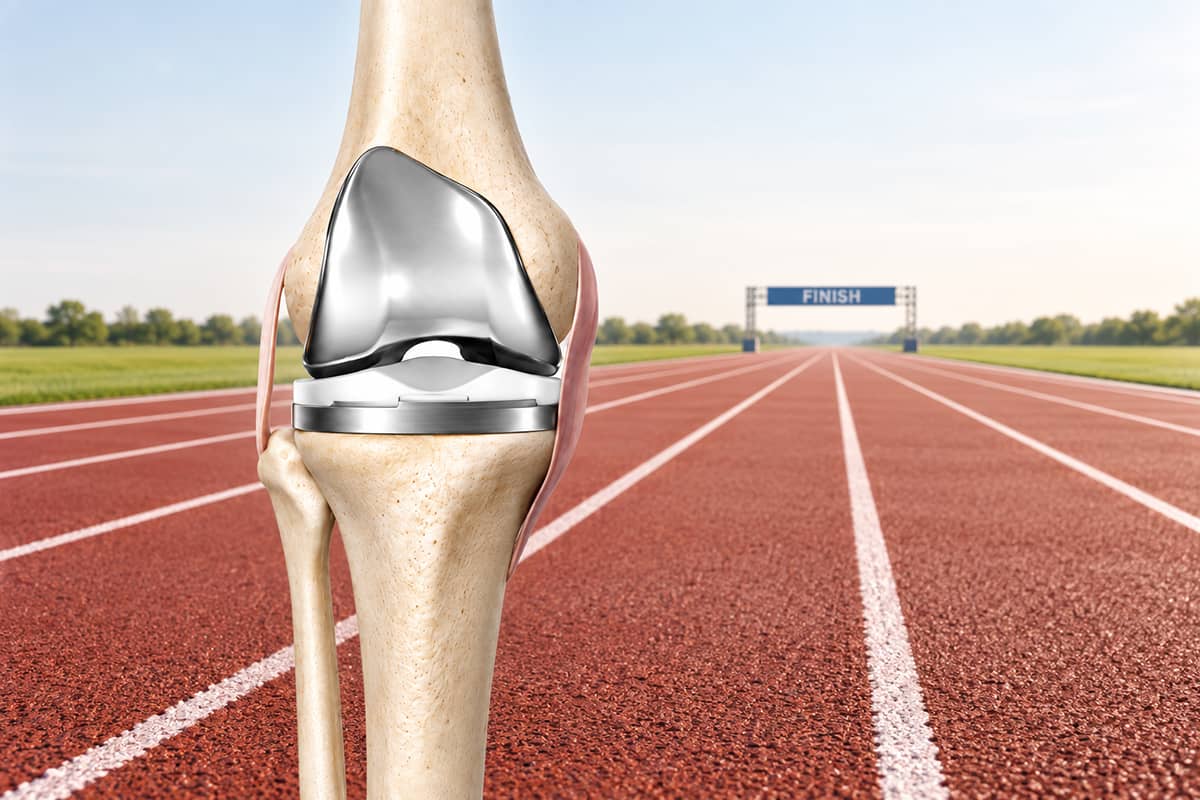
Artificial knee replacements are godsends for people whose activities are limited by severe knee arthritis. They were pioneered by Dr. Frank Gunston in 1968 and perfected by Dr. John Insall in the early 1970s. The older knee replacement designs removed a substantial amount of bone, and sometimes both cruciate ligaments of the knee joint (bands of strong tissue that connect the femur to the tibia). The plastic tray inserts, which replace the damaged cartilage and act as a shock absorber between those two bones, were made of polyethylenes that were not well optimized for long-term wear. The designs required bone cement to stay in place, and this cement was often the weakest component.
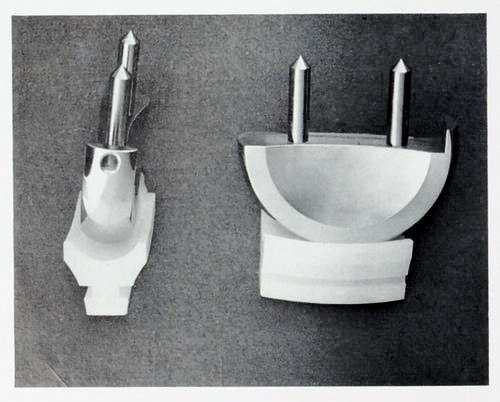
Frank Gunston's Polycentric Knee prosthesis, first implanted in 1968.
Source: Gunston FH. “Polycentric knee arthroplasty: Prosthetic simulation of normal knee movement.” J Bone Joint Surg Br. 1971;53-B:272–277. © The British Editorial Society of Bone & Joint Surgery. Used here for historical commentary.
Despite providing tremendous pain relief, multiple problems could arise from the older designs, often leading to chronic pain or loosening of the components. The salvage of the failed total knee often led to more bone loss and greater restrictions. To diminish the risks, surgeons advised their patients to limit their activities to gentle sports like bike riding, walking, and golf. High-impact activities were strictly prohibited.
What has changed? The most dramatic ones in my lifetime as an orthopaedic surgeon have been design changes, material changes, and precision of surgical implantation made possible by robotic planning and execution.
First, the design changes. The polyethene inserts were improved with crosslinking of the materials and congruency of the shapes to more closely match the metal femoral components. This provided long-term (30-year) polyethylene wear characteristics and stability. This also eliminated the need to sacrifice the posterior cruciate ligament and diminished the particles of worn polyethylene that contributed to swelling, pain, and loosening of the components. The shape of the femoral component was revised to provide a congruent path in both flexion and extension, further diminishing wear, while the tibial components used different metals (e.g., titanium) to provide both rigidity and flexibility.
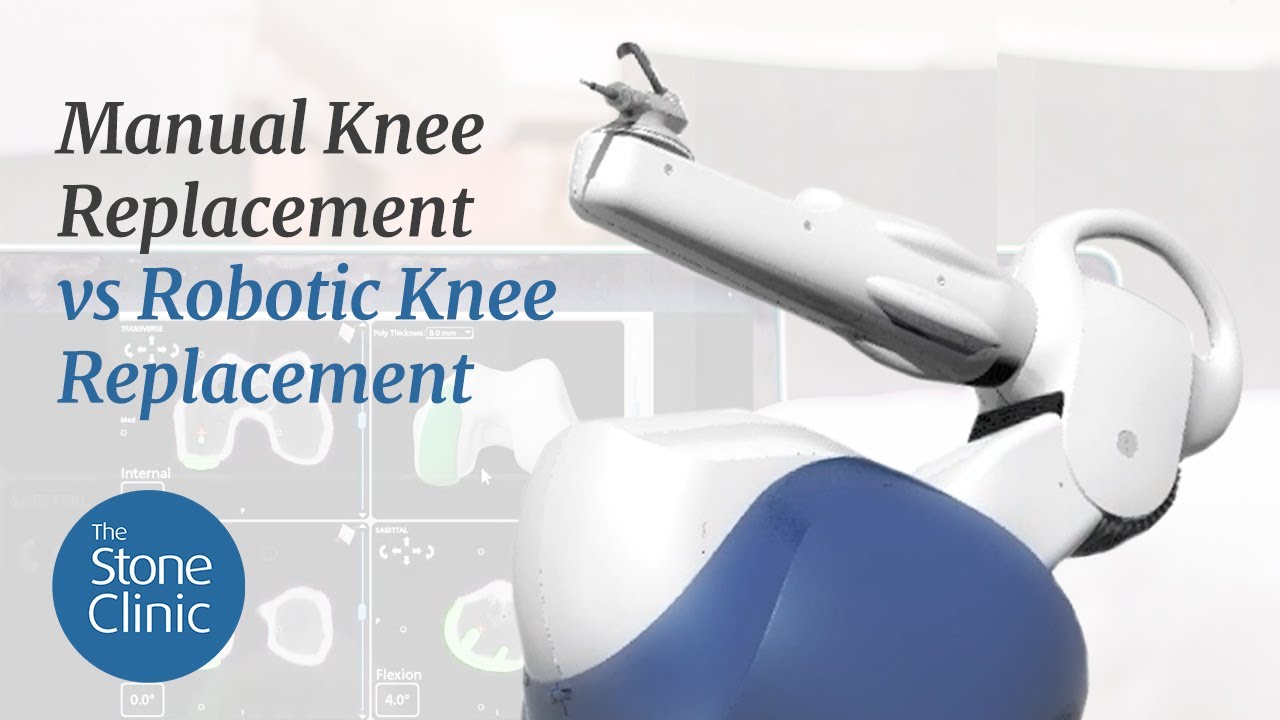
Most important for me, though, was the introduction of the MAKO robot. By constructing a 3D model of the knee before surgery and being able to adjust it to the patient’s knee and unique ligamentous stability, the components provided an outcome superior to anything we had witnessed before. Most importantly, the precision of the robotic arm permitted uncemented components to be used; the patient’s own bone could grow into the undersurface of the implants, fixing them stably by six weeks.
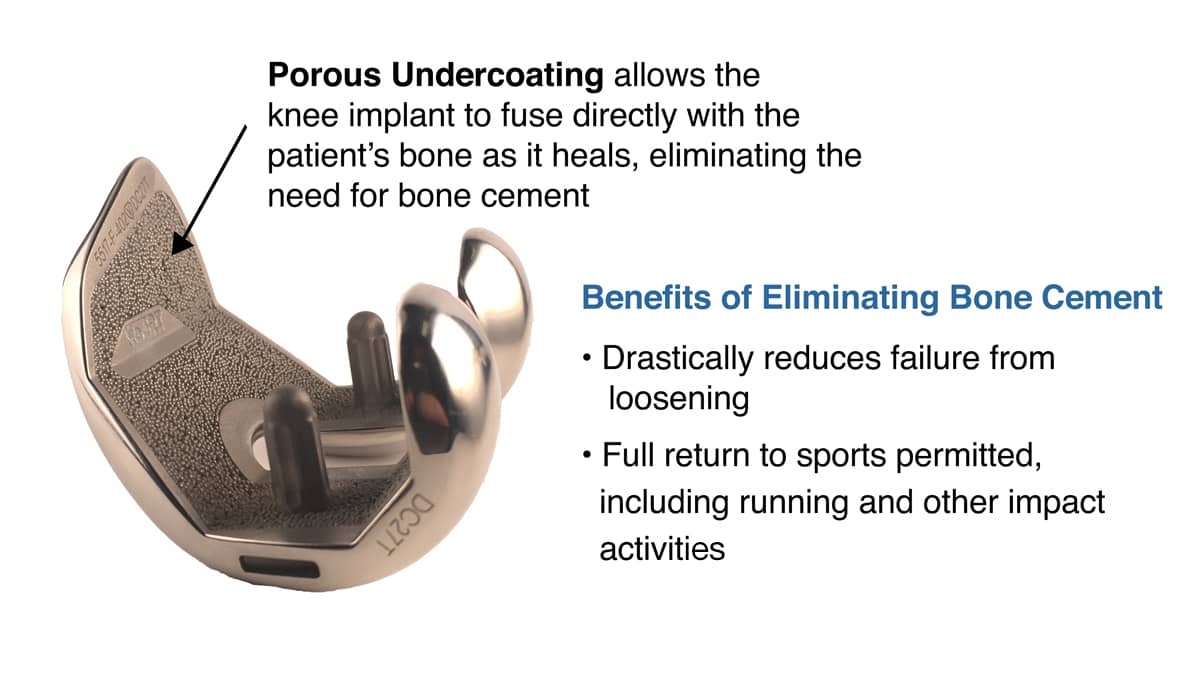
In the early 2000s, I purchased possibly the first outpatient robot in the U.S. Without the need for cement, we were able to permit our total knee replacement patients a return to full sports—since to loosen the device, they would essentially have to break their bones. We encouraged our patients to exercise more, not less, since loading force increases bone and muscle strength, which fundamentally protects the joints.
So: How long do total knee replacements last? Since in our hands they are uncemented and precisely fitted to the patient’s own bone with preservation of their ligaments (except ACL), the answer should be “the patient’s lifetime, even with sports.” This is true, provided some conditions are met. The joint must be properly balanced and carefully placed at the time of surgery, and the patient must rehab the joint—preferably with guidance from a great trainer and physical therapist—to obtain a nearly full range of motion and return of muscle strength. Lack of resistance exercise leads to muscle and bone loss (weakness and osteoporosis) and more joint failure. The patient must also be lucky enough to avoid an infection or excessive formation of scar tissue, which can also limit motion and increase wear. But any surgery can suffer those complications, and surgeons can mostly avoid them by using optimal surgical technique, extensive intraoperative pulsed lavage washing, antibiotic loading of the joint, and careful wound closure.
Since these new knees should last a lifetime, why not use them to their fullest? For the best outcome, we encourage patients to start immediate rehabilitation and fitness training on day one after surgery and continue for a lifetime. Arthritis treatment is an opportunity to optimize every aspect of a person’s health and fitness so that a knee replacement can be a gift of freedom, joy, and motion.
Dr. Stone Explains the Difference Between Manual vs Robotic Knee Replacement
Learn how advancements in TKR robotic-assisted surgery technology give Dr. Stone unparalleled accuracy in placing knee replacement implants, allowing for a quicker recovery time, fuller range of motion, less pain medication, and greater durability for demanding activities.